Is it petty to ask for small amounts back?
You can ask for a small agreed reimbursement without making it personal. Agree a reminder threshold, check the net balance, and send one clear request.
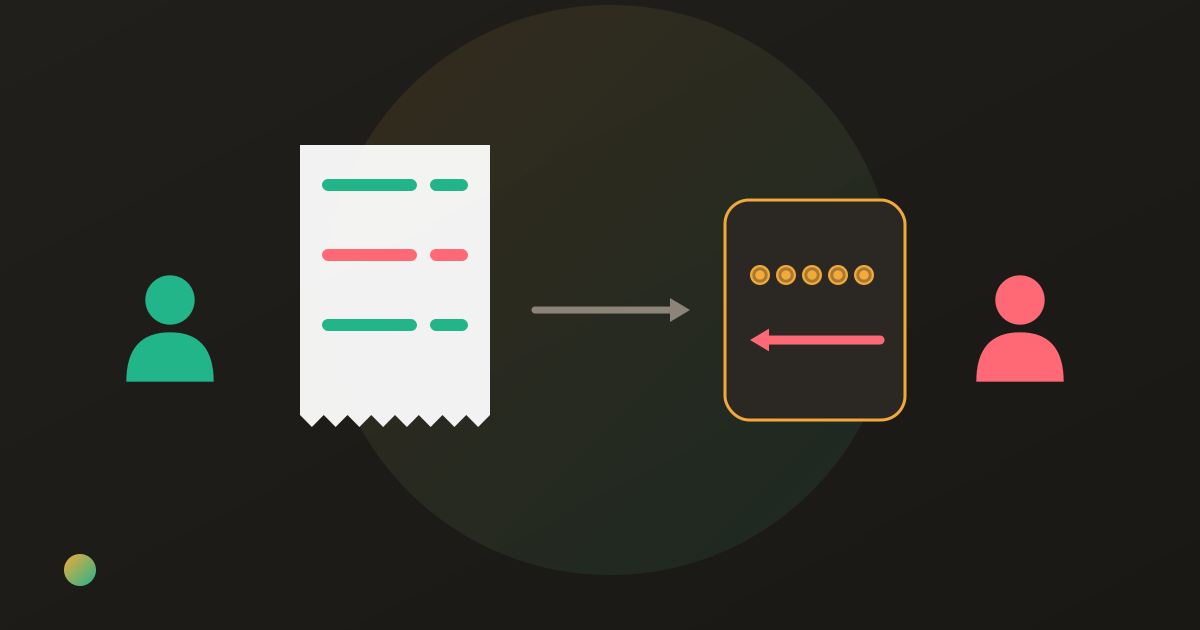
Alex paid for the coffees. Mia bought pastries. Then Alex covered the taxi. Each purchase was small enough that nobody asked for money on the spot. By Sunday, Alex is looking at a €5 balance and wondering whether bringing it up will make the weekend feel transactional.
You can ask for a small amount back when you agreed to share the cost. Keep the request about the purchase, check what each person has already paid, and use one clear message. For repeated small costs, agree a reminder threshold and a clearing date together instead of guessing what feels worth mentioning.
Start with what you agreed to share
A reimbursement and a gift begin with different agreements. “I’ll put this on my card and we’ll split it” creates an amount to work out. “These coffees are on me” does not need a later repayment request.
If the original conversation was unclear, ask about that first: “Did we mean to share the taxi, or was I covering that one?” That gives both people room to remember the same event before a number turns into an assumption.
You do not need to prove that the amount matters enough. Equally, a payment record cannot tell you what someone intended. Keep the request narrow: the shared cost, the agreed split and what remains after other payments.
Choose a threshold together
A threshold is an agreement about when to ask. For example: “Shall we leave the little purchases running and settle when either of us reaches €5, or on Sunday?” The amount and the day are choices for those two people, not a rule about friendship.
Apply the threshold to the net balance, after purchases in both directions, rather than to every receipt. Otherwise you can end up requesting one coffee share while forgetting the bakery purchase that went the other way.
The clearing date matters as much as the threshold. It gives an ending to amounts that never reach it. A threshold postpones the request; it does not silently turn a shared cost into a gift. For a longer-running record, keep track of who owes you money with the purchase and payer visible.
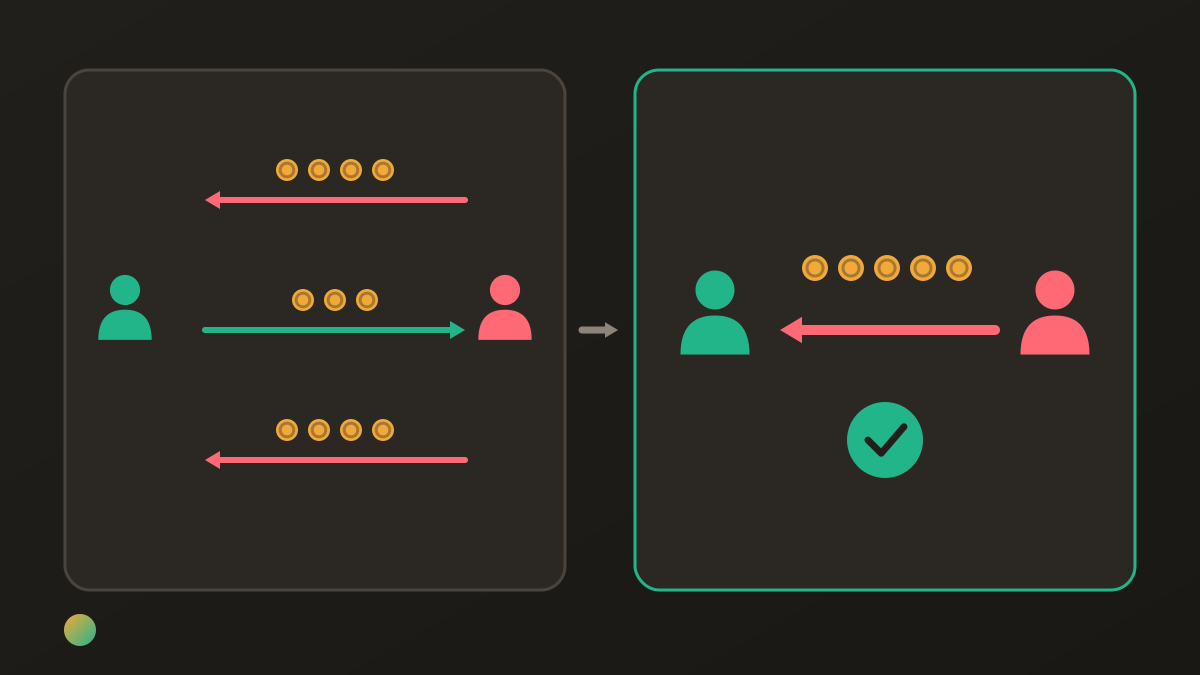
Three small purchases, one €5 balance
Alex and Mia agree to split three purchases equally. None was offered as a treat.
| Purchase | Paid by | Total | Alex’s share | Mia’s share |
|---|---|---|---|---|
| Coffees | Alex | €8 | €4 | €4 |
| Pastries | Mia | €6 | €3 | €3 |
| Shared taxi | Alex | €8 | €4 | €4 |
| Total | €22 | €11 | €11 |
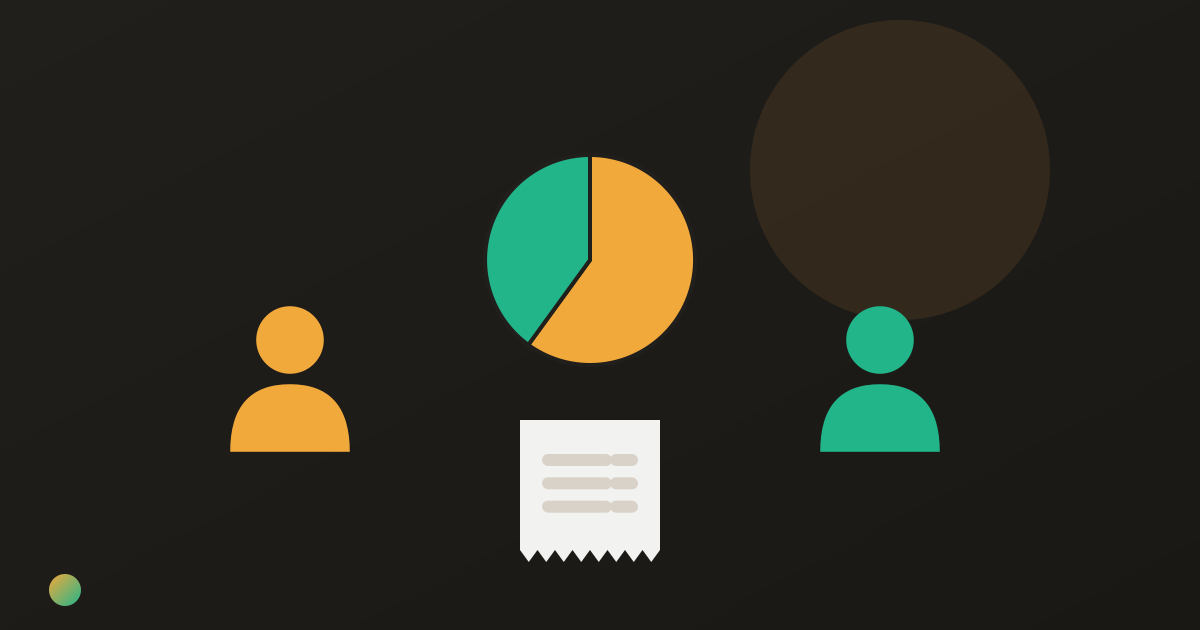
Alex paid €16 and Mia paid €6. Each person’s share is €11, so Alex has paid €5 above their share and Mia €5 below hers. Mia sends Alex €5. They do not need separate transfers for the coffees, pastries and taxi.
The individual shares are only €3 or €4. The agreed €5 reminder threshold is reached because of the net balance, not because any one purchase was large. Calculating who owes whom uses the same paid-minus-share calculation for a bigger group.
Make one short, checkable request
You could send: “I added the coffees, pastries and taxi. After your bakery payment, it’s €5 from you to me. Could you send it when you have a moment? Happy to check the list together.”
That message supplies the amount, the reason and a way to correct an error. It does not need an apology for asking, an accusation about forgetting, or a public message to the whole group.
If you want to mention a date, use the one you agreed: “Shall we clear the €5 on Sunday, as planned?” If there was no date, propose one rather than implying that the other person has missed it. For more wording, use these ways to ask friends for money.
If you would rather cover it
You can decide the amount is a gift: “I’ll cover the remaining €5; we’re square.” Make the record match that decision so it does not reappear in the next calculation.
That is different from leaving the balance open while saying there is no need to pay. If you still want it returned, say so plainly. If you do not, close it explicitly. Neither choice requires a judgement about whether someone is generous enough.
For the next outing, agree whether you are treating, taking turns or reimbursing exact shares. Settling up without awkwardness starts with making that shared expectation visible.
Where Donget comes in
In Donget, record the purchases with the correct payer and use Equally for the two-person split. Settle up gives you a balance to check before choosing Remind. You can pick a reminder message to share through your phone, or initiate Send nudge in Donget for a joined friend; the in-app nudge is limited to once a day per person.
The €5 threshold is your agreement outside the app. Donget does not provide a threshold setting or send automatic reminders. When Mia actually sends the €5 through a payment method they use, record Paid. Donget records the settlement; it does not move or hold the money.
Frequently asked questions
Is it petty to ask a friend for a small amount back?
If you agreed to share the cost, you can ask about that agreement without commenting on your friend’s character. Check the amount and send a short, specific request; a small balance does not require a long explanation.
How small is too small to request?
Choose a threshold together rather than assuming one amount works for everyone. Pair it with a clearing date so balances below the threshold still get resolved.
Should a reminder threshold apply to every purchase?
Applying it to the net balance avoids separate requests for each small purchase. In the example, individual shares are €3 or €4, but Mia’s net balance reaches the agreed €5 threshold.
What should I say when requesting a small repayment?
Name the shared cost and the amount: “The weekend costs leave €5 from you to me. Could you send it when you have a moment?” Give the other person a chance to check the calculation.
What if I want to let the amount go?
Say clearly that you are covering it and remove it from the amount you expect back. Keeping a private expectation after saying “don’t worry about it” leaves the agreement unclear.
Does Donget remind people automatically?
No. Remind is a manual action: you choose a message to share or initiate Send nudge in Donget, which is limited to once a day per person. Donget does not send or hold the repayment.
Before the next shared cost
Agree what is shared, when to ask, and when to clear the remainder. Then a small repayment can stay a small, specific conversation.
Download Donget free and keep small shared purchases in one record before you ask for the balance.