Roommate chore apps: routines, one-off jobs and shared bills
Compare roommate chore apps for recurring cleaning, assigned jobs and shared costs. See where Flatastic, Microsoft To Do and Donget fit a shared home.
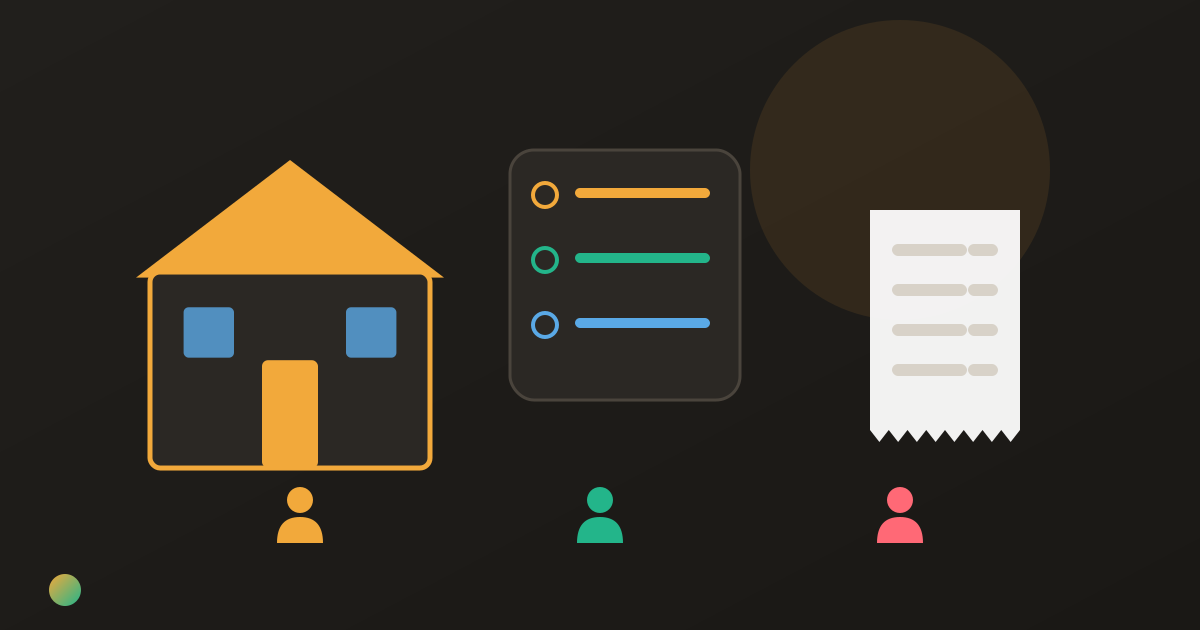
Your flat has a cleaning chart, a shopping list and a running argument about who last bought washing-up liquid. Moving all three into an app sounds sensible. First check whether you need help with the weekly routine, the jobs that appear unexpectedly or the money spent doing them.
Choose a roommate chore app by its main job: recurring cleaning and rotation, dated tasks with named owners, or one-off jobs linked to shared costs. Agree the workload and what “done” means before adding it. Keep effort separate from reimbursement; ticking off a task does not automatically reduce somebody’s bills.
Which household problem should the app solve?
A repeating bathroom clean needs a different process from replacing a broken mop. The first needs a frequency and a fair way to change the responsible person. The second needs someone to take it, finish it and record the purchase if there is one.
Our guide to splitting chores with roommates explains weighing work in minutes and building a rota. This comparison starts after that conversation: which tool can support the arrangement you actually chose?
Roommate chore apps compared
The capabilities below come from official product information checked on 23 October 2026. They are suggested fits, not results from a hands-on trial.
| Tool | Useful for | Money record | Main limitation to check |
|---|---|---|---|
| Flatastic | Repeating household chores, rotation and reminders | Shared expenses alongside household lists | Check Premium needs and agree how the routine will be maintained |
| Microsoft To Do | Assigned jobs with dates, reminders and repetition | Keep reimbursement in a separate ledger | Microsoft accounts needed; repetition is not an automatic person-by-person rota |
| Donget | One-off shared jobs and agreed purchases | Expenses and settle-up in the same group | No recurring tasks, automatic rota, task dates or task reminders |
If the money record is your main problem, the roommate bill-app comparison covers that choice. You can keep a working chore system while improving the expense record.
Flatastic: recurring household routines and expenses
Flatastic already combines chores and money. Its developer App Store description describes assigned repeating chores, automatic rotation and reminders, alongside a grocery list, expense tracking and household notes. Its website also describes points and a cleaning schedule.
That is a relevant combination when your flat wants the app to handle the regular routine. Donget does not offer that rota functionality.
The trade-off: Flatastic has an optional Premium subscription, so check which additional tools you need before choosing. A points or rotation system still needs your household’s agreement about effort and what counts as finished. If the flat only needs an occasional supply run, maintaining a detailed repeating routine may be more structure than the group wants.
Microsoft To Do: dates and assigned jobs
Microsoft To Do suits flatmates who want a familiar task list and already use personal Microsoft accounts. Microsoft’s list-sharing guidance explains invitation links and assigning work to someone in the shared list. Its task scheduling help covers dates, reminders and repeat settings.
The trade-off: repetition and rotation are different. A weekly task can repeat without changing whose turn it is. Agree how you will move responsibility, rather than expecting a generic repeating list to balance the workload. Friends need Microsoft accounts to join; personal-account use is free.
For this setup, keep receipts and reimbursements in your chosen expense record. A note saying “mop €27” can remind you what happened, but the group still needs a calculation of what each person owes.
Donget: one-off tasks with a purchase record
Donget fits the unexpected list: replacing the mop, restocking supplies or collecting a borrowed ladder. A group has Money and Tasks. Under Tasks, use Add task, assign the responsible person under Who takes it?, or leave it Open for a roommate to claim. A job can have more than one assignee when people are doing it together.
For a task named Cleaning supplies, completion can offer Spent money on Cleaning supplies?. Add expense fills in the title only. Enter the actual amount, review who paid and who is included, and choose Equally if that is your agreement. A shopper’s personal purchase on the same receipt stays out.
The trade-off: Donget has no task due dates, automatic task reminders, recurring tasks or automatic rotation. It is useful for the one-off work and shared spending; it cannot replace the scheduling part of a household rota. Nor does it move money between roommates.
Agree what done means before using any tracker
“Clean the kitchen” may mean wiping the worktop to one person and cleaning the sink and hob as well to another. Write a short shared definition and estimate the effort before allocating the job.
Give each job a responsible person, rather than just a title. For a joint job, decide who will confirm completion. When somebody cannot do it, make the handoff visible and get the replacement’s agreement. An unfinished checkbox alone does not tell you whether the plan changed or the work was forgotten.
Review the arrangement after a short trial. A detailed app is unnecessary if a fridge chart works; a chart is insufficient if the unexpected jobs still fall to whoever first notices them.
Three flatmates buy supplies: a worked example
Maya, Luca and Owen agree to share three household purchases equally. Maya pays €48 for cleaning supplies, Luca €27 for a replacement mop head and Owen €15 for shared bin bags. The total is €90, or €30 each.
| Roommate | Paid | Agreed share | Balance before repayment |
|---|---|---|---|
| Maya | €48 | €30 | Receives €18 |
| Luca | €27 | €30 | Pays €3 |
| Owen | €15 | €30 | Pays €15 |
Luca sends Maya €3 and Owen sends Maya €15. Two transfers settle the purchases. Maya’s final cost is €48 minus €18, Luca’s is €27 plus €3, and Owen’s is €15 plus €15: €30 each.
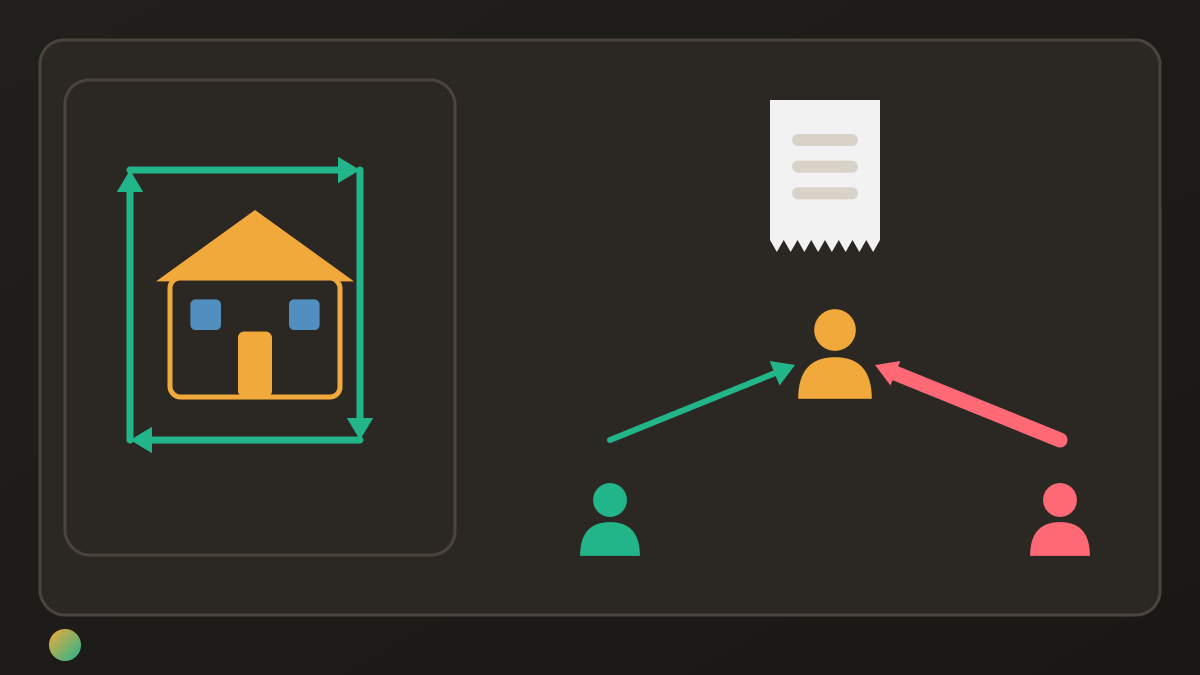
These are supply costs, not payments for cleaning time. The shared-grocery guide uses the same distinction between what the group bought and an individual’s personal spending.
Keep chores and reimbursement separate
Someone can do a job without spending anything. Someone else can buy the agreed supplies while another person does the cleaning. Record both facts without turning a tick into a wage or a penalty.
If your household wants a different arrangement, discuss it explicitly first. Do not silently deduct a chore allowance from rent or utilities. Put those bigger costs in the rent-and-bills agreement and keep the ledger consistent with what everyone accepted.
When it is time to pay back shared purchases, check the net balances together. Settling up without awkwardness is easier when the question is about an agreed amount and a visible receipt rather than a general judgment about who helps most.
Frequently asked questions
What should I look for in a roommate chore app?
Start with the jobs your household needs: repeating cleaning, named one-off tasks, reminders or shared purchases. Check that everyone can access the list and understands who is responsible. An app cannot decide the workload or what counts as finished without your agreement.
Which app combines household chores and expenses?
Flatastic combines a household chore schedule with shopping and expense records. Donget combines shared tasks with expenses and settle-up, but has no recurring chores or automatic rota. Choose according to whether repeating household routines or one-off jobs are the main need.
Can Donget rotate weekly chores automatically?
No. Donget has no recurring tasks, automatic chore rotation, task due dates or task reminders. Use a routine-focused tool or a visible rota for the repeating jobs, and Donget for one-off shared tasks and purchases if that suits the flat.
Can a shared to-do list handle a cleaning rota?
A tool such as Microsoft To Do can hold assigned tasks with due dates, reminders and repetition. Repeating a task is different from automatically rotating it among roommates, so agree how the responsible person changes and check that the chosen tool supports your method.
Does doing more chores reduce someone’s bills?
Not automatically: workload and reimbursement are different records. If your household wants to exchange work for a contribution towards a cost, agree the arrangement explicitly before relying on it. A completed task does not by itself create a money credit.
How should roommates record cleaning-supply purchases?
Record the actual shared purchase, who paid and the people who agreed to share it. Exclude personal items from a mixed receipt. Calculate each person’s share, subtract what they already paid and settle the resulting balances rather than repaying every receipt separately.
Try the method on a short list first
Choose a tool that supports the routine you need, then give the household a small, agreed list to try. Keep responsibilities visible and purchases checkable. Add more structure when it solves a real problem, rather than asking everybody to maintain a system the flat does not use.
Download Donget free and give your flat’s one-off jobs and shared purchases a common record.