Beach trip with friends: the checklist, the jobs and the split
Give shared beach gear and seaside-house jobs an owner, then split the house, food and optional hire among the people each cost was for.
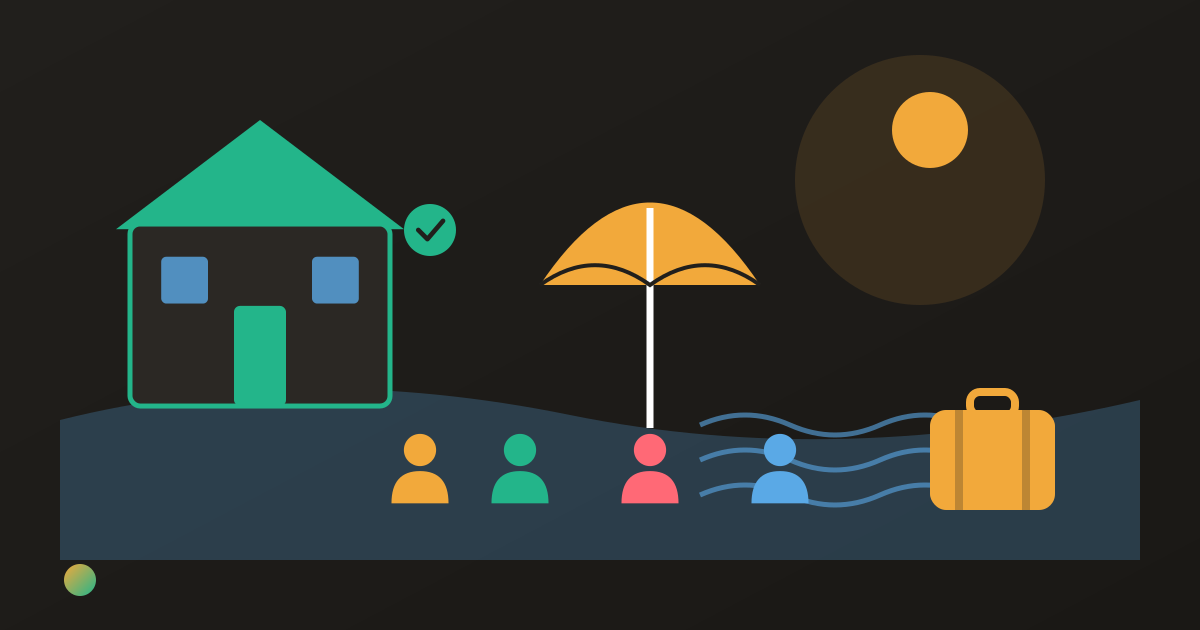
The seaside house is booked. One person assumes it has beach chairs, another has packed an umbrella that will not fit in the car, and everyone thinks someone else is collecting the keys. By Saturday lunchtime, the friend doing the shopping has also become the organiser.
Build the beach trip checklist around shared jobs and handoffs. Give each one a name, check what is already provided, and agree separate splits for the house, shared food and optional hire. Keep free loans and personal purchases outside the shared bill unless everyone agrees otherwise. Personal bags can stay personal.
Start with the house and the journey
Before adding equipment, write down who is staying, which nights they are staying and how they are getting there. Those decisions set the headcount for meals and accommodation, and the available space for bulky bags.
Ask what the rental actually includes: bed linen, bath towels, beach towels, kitchen equipment and outdoor chairs are separate questions. One person checks and shares the answer. Everyone else then packs from the same information.
Choose who collects the keys, who has the arrival details and who handles the final handover. For different room sizes or stays, splitting an Airbnb with friends gives the accommodation calculation. Agree it before one person pays.
Divide the list into four parts
A shared seaside house needs more than a list of things to take to the sand. Use four sections:
- House: keys, shared groceries, kitchen basics, washing up, final tidy and returning the keys.
- Beach day: umbrella, shared mat, cooler, lunch, drinks and any equipment people want to hire.
- Transport: drivers, collection points, who carries the bulky gear and who brings it home.
- Personal bags: clothes, towels, sandals, a bottle, book, charger and anything you alone want.
Write a useful quantity into each shared line: “Lunch for four” or “One cooler, in Leo’s car”. A line called “beach stuff” leaves every decision open. If your trip includes nights under canvas, the group camping checklist covers the separate tent-and-cooking setup.
Give every shared item a complete handoff
An owner, a carrier and a user may be different people. Priya can own the umbrella while Leo carries it and everyone uses it. Write both names where that matters, plus where it goes afterwards.
Give jobs an end point. “Lunch” becomes “Buy lunch for four and bring it to the house on Saturday morning”. “Keys” becomes “Collect the keys and send the arrival details”. It is then clear what finishing the job means.
Check the list once before departure. Assign essentials that remain open and remove duplicate purchases. You can leave optional extras open for anyone interested. The who brings what method works well for the shared meal part.
Decide which costs belong to whom
The house can be shared by everyone staying there. Groceries can be shared by the people eating them. Optional hire follows the people who choose it: three loungers do not become a four-person cost because the receipt sits beside the house receipt.
Borrowed equipment needs its own agreement. A friend can lend an umbrella for nothing. If someone wants a contribution for a particular item, discuss it before using it. Carrying a bag is a job; it does not automatically earn a credit against accommodation.
Keep a purchase and its reimbursement as separate events. Record the actual purchase once, then record repayments when they happen. For the drive itself, splitting road-trip fuel explains how to handle different passengers on different legs.
A worked example: four friends, two nights
Maya, Leo, Priya and Sam stay for the same two nights in comparable rooms. They agree to split the house and groceries equally. Maya, Priya and Sam hire loungers; Leo and Sam share a paddleboard hire.
| Purchase | Paid by | Shared by | Each share |
|---|---|---|---|
| House, €480 | Maya | All four | €120 |
| Groceries, €96 | Leo | All four | €24 |
| Three loungers, €48 | Priya | Maya, Priya, Sam | €16 |
| Paddleboard hire, €60 | Sam | Leo, Sam | €30 |
The total is €684. Everyone’s house-and-food share is €144. Adding only their own optional hire gives:
| Person | Paid | Own share | Paid minus share |
|---|---|---|---|
| Maya | €480 | €160 | +€320 |
| Leo | €96 | €174 | −€78 |
| Priya | €48 | €160 | −€112 |
| Sam | €60 | €190 | −€130 |
| Total | €684 | €684 | €0 |
Leo pays Maya €78, Priya pays Maya €112 and Sam pays Maya €130. Maya receives €320, exactly the amount she paid above her share. Everyone ends at zero. The borrowed umbrella and owned towels create no expense.
Keep the last day on the list
Give returning hired items, emptying the cooler, taking borrowed equipment home and handing back the keys named owners too. Otherwise the person whose car happens to be nearest can inherit the entire final morning.
After the last shared purchase, check any refunds against the original cost and participants. Confirm that a repayment already received is recorded before sending the final figures. A small unfinished balance is easier to understand while everyone remembers the hire and the grocery shop.
Where Donget comes in
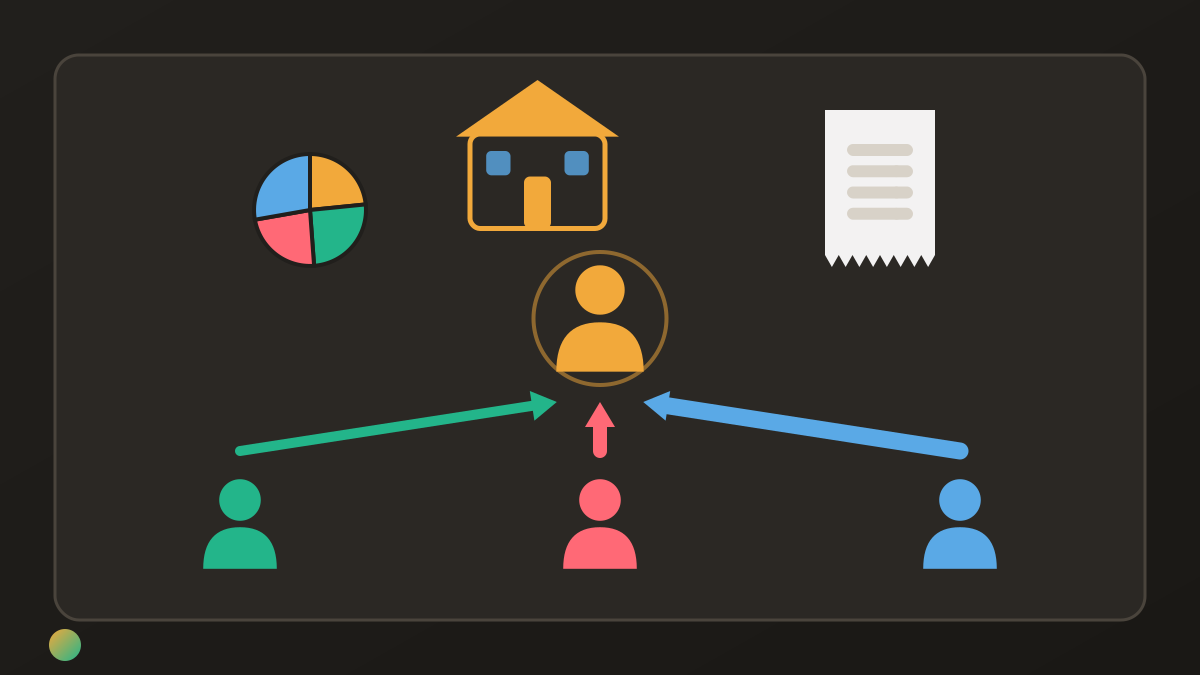
In the group’s Tasks, add the shared jobs with Add task. Who takes it? → Open leaves a job Up for grabs, or you can assign it straight away. When Leo marks “Groceries for four” with Mark as done, Spent money on Groceries for four? → Add expense opens a form with the title filled in. He enters €96 and reviews the four participants; completion itself does not charge anyone.
Record the optional hire with its own participants. Settle up can then suggest the repayments, and Paid records money sent by your usual method. Donget does not book the house or equipment, and tasks have no dates or quantity field: keep timing in your calendar and quantities in the titles.
Frequently asked questions
What should a group beach trip checklist include?
Include the rental handover, shared meals, equipment and the return journey as well as personal bags. Give each shared item or job a name, a quantity where needed, and a place it must reach.
How do you divide jobs on a beach holiday with friends?
Give people complete jobs, such as collecting the keys or bringing lunch for four, and agree each handoff. Check who has room in their car before assigning bulky equipment.
Should everyone pay for hired beach equipment?
Split a hire among the people who agreed to use it. A lounger for three or a paddleboard for two belongs to that subgroup, while the shared house can follow a different split.
Does bringing your own beach umbrella count as a contribution to the bill?
Lending an umbrella can be a useful contribution without creating a charge. Agree any payment before the trip; owning or carrying it does not automatically create a reimbursement.
How do you split a seaside house if friends stay different nights?
Agree the accommodation rule before booking. Person-nights can work when rooms are comparable, with any premium for a better room agreed separately; keep optional activities outside that calculation.
Can a shared checklist also track beach trip expenses?
A task-and-expense app can keep the jobs and purchases in the same group. In Donget, finishing a task can offer an expense form with its title filled in, but you still enter the amount and review who shares it.
The bottom line
Give the house, beach day, transport and return jobs named owners. Check what is provided, decide who carries borrowed gear, and share each cost among its agreed users. The final split then follows the trip people actually took.
Download Donget free and keep the seaside jobs and shared purchases in the same group.