Ordered less? How to say no to an even split politely
Say you would like to pay for your own order before ordering. Offer to share common dishes and charges, then use a clear itemised amount when the bill comes.
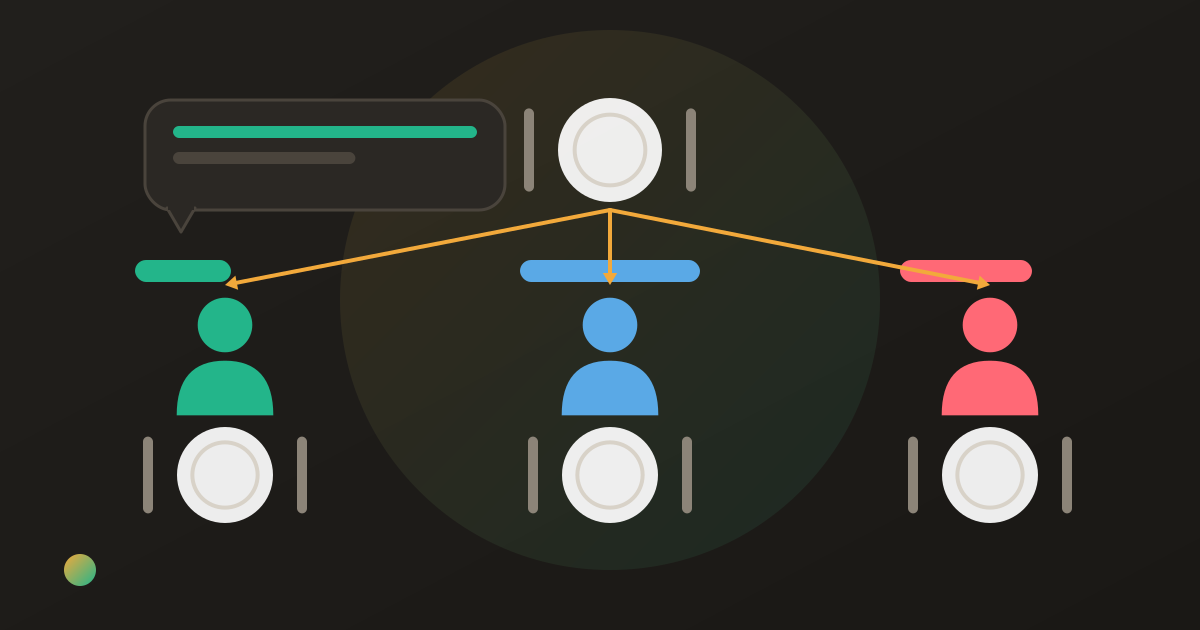
Ava has decided on a salad and water. Ben is choosing a burger and beer, and Cleo wants pasta and a soda. Before anyone orders, Ben says, “Shall we just split it three ways?” Ava would like to join the meal without paying an equal share of very different orders.
Say you would like to pay for your own order before the group orders. Offer a complete alternative: your items, your share of shared dishes, and an agreed share of any extra charge. Keep the wording about your choice, then confirm that everyone understands the arrangement before it becomes a bill.
Say it before ordering
“I’m keeping mine smaller tonight. Can I pay for my own order and my share of anything we share?” is enough to start the conversation. You do not need to explain your income, defend your appetite or compare the prices of other people’s choices.
If you are skipping alcohol, you can say: “I’ll cover my food and soft drinks, and share the dishes we all have.” There is no need to make another person’s drink the subject of the request.
The useful moment is before ordering, while everyone can choose with the payment arrangement in mind. If the group is deciding between methods rather than discussing your request, when to split evenly or itemise gives a fuller comparison.
Offer one simple alternative
“Separate bills” and “paying our own shares” are different arrangements. The restaurant may take one card payment while the group calculates individual amounts afterwards. Confirm both: how to divide the cost and who will pay at the counter.
Agree which dishes are shared, too. “Our own mains and drinks; the fries between all three of us” is more useful than “we’ll work it out later.” A dish shared by two people belongs to those two, even if a third person is at the same table.
This is one way to go Dutch: each person covers an agreed part of the meal. It does not require everyone’s part to be identical.
What the proposed split looks like
Ava, Ben and Cleo agree to pay for their own orders and split €12 fries equally. The receipt in this example also has a 10% service charge, which they agree to distribute in proportion to their food and drink shares.
| Person | Own order | Shared fries | Before charge | 10% charge | Final share |
|---|---|---|---|---|---|
| Ava | Salad €12 + water €4 = €16 | €4 | €20 | €2 | €22 |
| Ben | Burger €20 + beer €10 = €30 | €4 | €34 | €3.40 | €37.40 |
| Cleo | Pasta €18 + soda €4 = €22 | €4 | €26 | €2.60 | €28.60 |
| Total | €68 | €12 | €80 | €8 | €88 |
The shared fries cost each person €4. The extra charge follows each person’s €20, €34 or €26 subtotal, giving €2, €3.40 and €2.60. All three final shares add to the €88 receipt. This 10% is an example printed charge, not a suggested rate or a claim about restaurants generally.
An equal split would be €29.33 each with one cent left over. Assigning that cent to Ben gives Ava €29.33, Ben €29.34 and Cleo €29.33. Ava would pay €7.33 more than her agreed itemised share; that is the difference she is discussing, not anyone’s choice of meal.
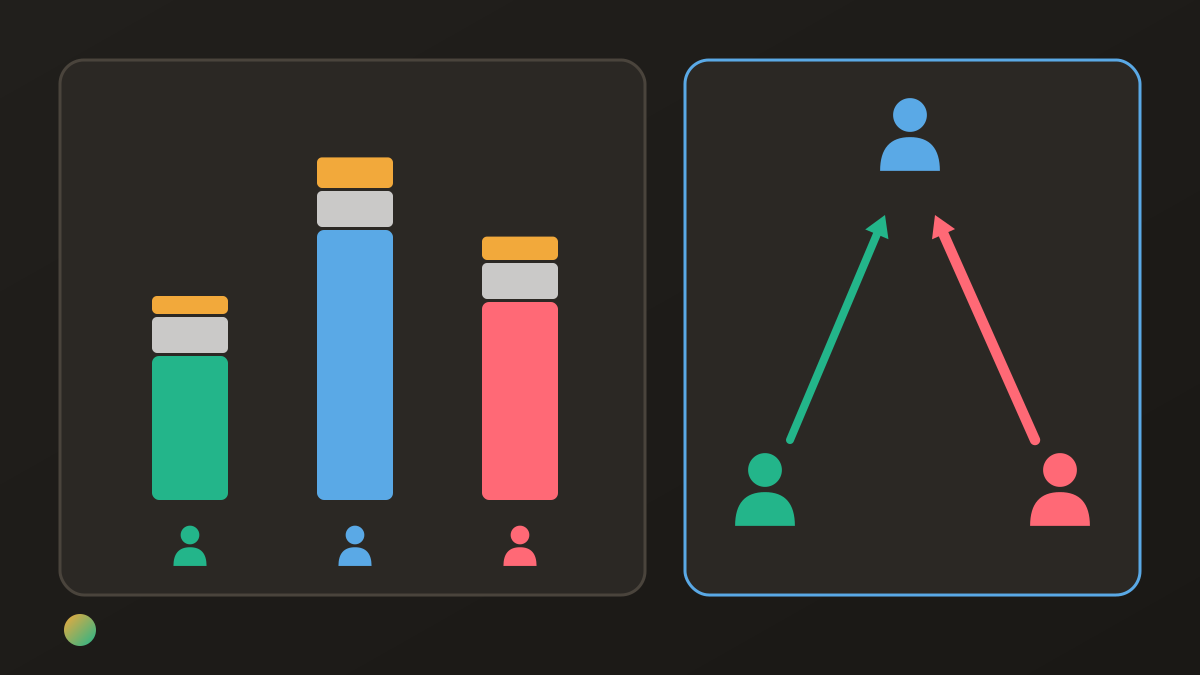
Ben pays the €88 card bill. Ava sends Ben €22 and Cleo sends Ben €28.60. Ben’s remaining cost is €37.40. Those two payments settle everyone; each of the two people reimbursing Ben needs one payment.
If someone still suggests equal shares
Repeat the arrangement without turning it into a verdict: “I’d like to stick with my own order plus the shared fries and charge.” If the concern is calculating it, offer to do that part and show the totals.
You can also ask what the group means by “evenly”. They may mean sharing the fries, while you heard the entire receipt. Clear up that distinction before debating a number.
If you want a different compromise, propose it explicitly. Do not accept “we’ll see” as a calculation method and assume that everyone heard the same promise.
If the bill has already arrived
Start with the earlier agreement: “We said our own orders and shared fries. I’ve worked mine out as €22 including the charge.” Show the relevant lines rather than asking people to accept a total without context.
If nobody discussed the method, ask now: “Would everyone be happy to pay their own items and share the fries?” If you already agreed to equal shares, say that you would like to revisit it rather than quietly sending less. The next meal is another opportunity to agree earlier.
For the practical steps at the table, splitting a restaurant bill covers the full receipt. When the extra charge is proportional, splitting tax and tip proportionally explains the underlying calculation.
Where Donget comes in
From a Donget group, choose Scan a receipt, then Scan with AI. Review the draft against the receipt and use Claim a share to allocate items before saving. Check shared lines and extra charges as well as the mains; a scan still needs your review.
For the example, you can instead add the €88 expense with Ben as Paid by and choose Amounts: Ava €22, Ben €37.40 and Cleo €28.60. Check that the entered amounts total the receipt. After the two real repayments happen elsewhere, record them as Paid in Settle up.
A group setup may be more than you want for one dinner. The same conversation and calculation work if you simply pay the restaurant separately. Donget does not negotiate the arrangement or send the money.
Frequently asked questions
How do I say I do not want to split the bill evenly?
Try: “I’m keeping mine smaller tonight. Can I pay for my own order and my share of anything we share?” Say it before ordering so the group can agree a method before the costs are committed.
What if I am not drinking alcohol?
Say that you will cover your own food and drinks, plus your agreed share of shared items and charges. You can make the request without commenting on anyone else’s choice to drink.
Should I pay part of the shared starter?
Yes, if you agreed to share it. Confirm who the shared item is for, then divide it among those people rather than automatically charging the whole table.
How do we divide a percentage service charge?
If the group chooses a proportional split, apply the same percentage to each person’s own items plus their share of shared dishes. Check the printed charge rather than assuming the example’s 10% applies.
Can I change the split after agreeing to equal shares?
Ask whether the group is willing to revisit it; do not silently substitute a different amount. If the agreement stays as it is, you can still propose a different arrangement before the next meal.
Can Donget split a receipt by what people ordered?
Yes. From the group, choose Scan a receipt, then Scan with AI, review the draft and allocate items with Claim a share before saving. You can also enter checked totals manually using Amounts.
Before the next order
Make the request early, name what you will share, and leave the table with a total everyone can check.
Download Donget free and keep the agreed receipt shares together when one person pays for the table.