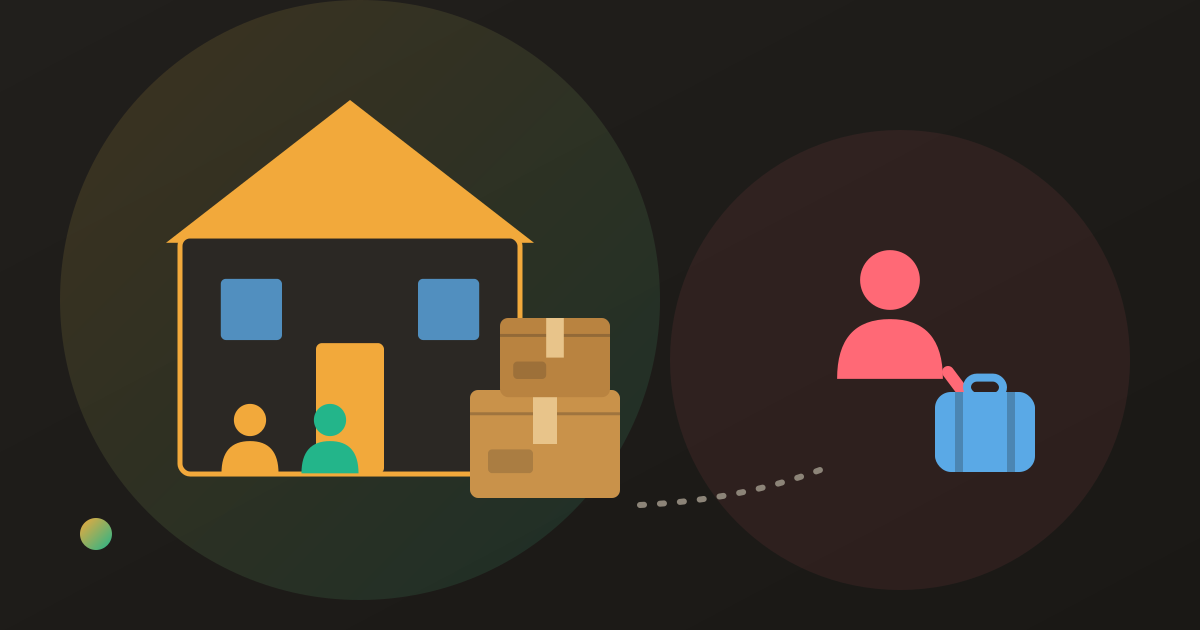
Roommate not paying utilities? What to do, step by step
Roommate not paying utilities? Work out why, show the actual bills, ask in writing with a date, offer a catch-up plan alongside the next bill, then change who holds which account.

The electricity bill landed again. You paid it, like last month, and split it three ways in the group chat. Two people sent their share within a day. The third replied with a thumbs-up and nothing else, and now you are carrying two months of their bills on your own card.
A roommate not paying utilities is the household version of a friend who won’t pay you back, with three differences that make it harder to ignore: the bills keep coming every month, the account is usually in one person’s name, and you still have to share a kitchen tomorrow. Go in order: work out why they haven’t paid, make the bill undeniable, ask once in writing with a date, offer a catch-up plan alongside the next bill, then change how the house holds its bills. Many cases end at step three or four.
Why a roommate not paying utilities is different
With housemates, the amount grows by itself: every new bill adds another share, so a small gap in September becomes a real sum by December. And whoever’s name is on the account is on the hook to the provider, whether or not the house pays them back.
That is why the general approach in what to do when a friend won’t pay you back needs one change here: the catch-up has to happen alongside the next bill, not instead of it.
Step 1 — Work out which situation you are in
A flatmate not paying bills is usually in one of four situations:
- They forgot. Bills that arrive on different days are easy to lose track of. A clear message fixes it.
- They can’t right now. A short month, a late pay cheque. Pressure makes this worse; a plan makes it better.
- They dispute the amount or the usage. They are not refusing to pay; they are refusing to pay that. “I was away half of October” or “I don’t use the heating” belongs here.
- They won’t. Rare, and usually about something other than the bill.
The next two steps usually tell you which.
Step 2 — Make the bill undeniable
Before asking again, put three things where your flatmate can see them: the actual bills (a photo of each, not your summary), the split rule you agreed (equal shares, or whatever the house decided), and the dates each bill was paid and by whom.
This settles the dispute case quickly: the conversation becomes a rule for the future, not whether you invented a number. Equal shares are the usual default; how to split utility bills with roommates covers the few cases that justify an unequal split, agreed going forward rather than applied to past bills.
Step 3 — Ask once, in writing, with a date
The message should carry the numbers and a date, and nothing else:
- “Hi Rory — the September and October bills are both in the house group now. Your share across the two months is £120 (£60 to Ellie for electricity, £60 to Josh for internet and water). Could you sort it by the 15th?”
A date turns “soon” into something they can plan around, and writing lets them answer when they are ready instead of being cornered in the hallway. If the tone is the part you dread, how to ask friends for money without it being awkward has wording that works for housemates too.
Step 4 — Offer a catch-up plan alongside the next bill
If the date passes, or the reply is “I can’t right now”, make paying easier rather than louder. The rule that matters: the new bill is never the thing that gets postponed. Your roommate pays their normal share of each new month on time, plus a fixed slice of what is already owed, until it reaches zero.
A worked example: a flatmate behind on bills for two months
Ellie, Josh and Rory share a flat and split every bill equally. The electricity account is in Ellie’s name; the internet and water are in Josh’s.
| Month | Electricity (Ellie paid) | Internet (Josh paid) | Water (Josh paid) | Total | Each person’s share |
|---|---|---|---|---|---|
| September | £84 | £45 | £45 | £174 | £58 |
| October | £96 | £45 | £45 | £186 | £62 |
| Two months | £180 | £90 | £90 | £360 | £120 |
Ellie paid £180 and her share is £120, so she is owed £60. Josh paid £180 and his share is also £120, so he is owed £60. Rory paid nothing and his share is £120, so he owes £120. The balances add up to zero: +£60 + £60 − £120. Rory pays Ellie £60 and Josh £60; Ellie and Josh owe each other nothing, because each one’s share of the other’s bills is exactly £60.
The catch-up plan: £120 over four months is £30 a month. November’s bills come to £108 for electricity plus £45 and £45, so £198, or £66 each. Rory pays £66 + £30 = £96 in November: £51 to Ellie (£36 for his electricity share plus £15 of the arrears) and £45 to Josh (£30 for internet and water plus £15). What he still owes falls from £120 to £90 after November, £60 after December, £30 after January and zero after February.
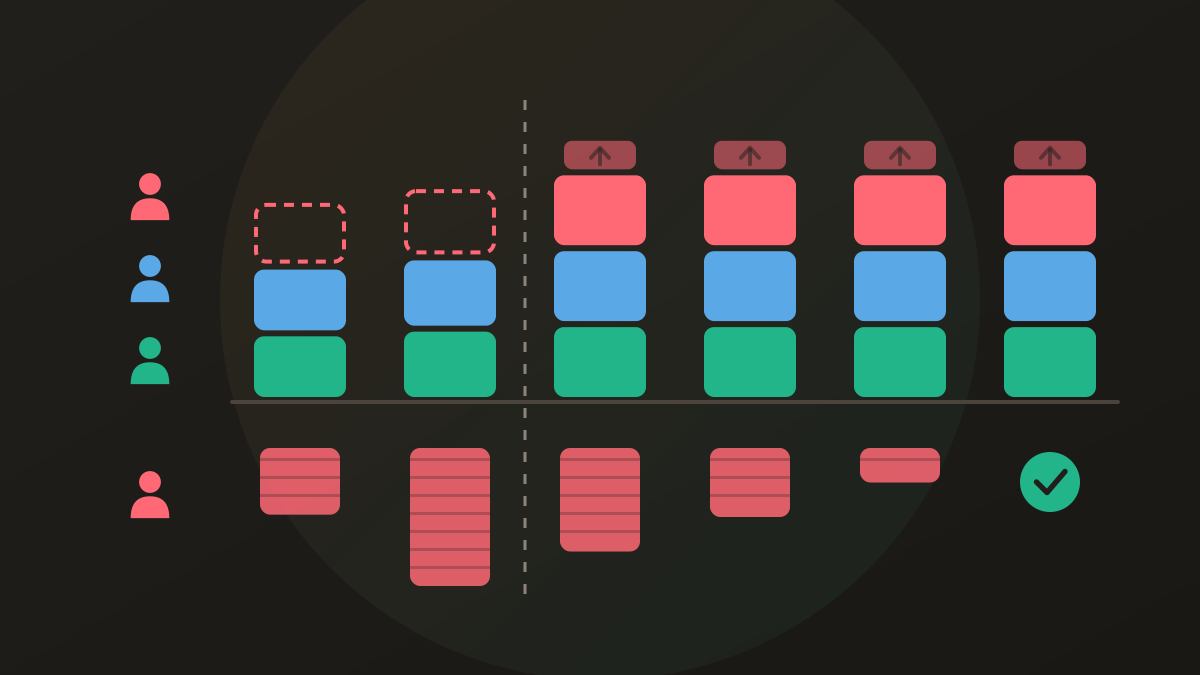
Write the plan down and record each payment as it lands, so everyone can see the remaining figure fall.
Step 5 — Change the structure so it can’t build up again
Most “roommate won’t pay bills” situations are a structure problem as much as a people problem. Three changes help:
- Spread the accounts. If one person holds every bill, one person carries every risk. Move one account to another housemate’s name at the next renewal.
- Settle monthly, on a fixed day. A balance that never runs past one cycle never gets big enough to be hard. Settling up without the awkwardness sets out that rhythm.
- Keep one shared list everyone can see. Bills logged the day they are paid end the “I didn’t know it had come in” version of the problem. How to split rent and bills with roommates puts the whole household system together.
Step 6 — Decide
If a clear written ask and a workable plan have both gone nowhere, stop repeating yourself and decide. Either keep it as a debt, say so plainly once, and stop subsidising new bills; or settle it when they move out, together with everything else, which settling up when a roommate moves out walks through. Leases, tenancy agreements and deposits are local legal questions, and the answer depends on where you live and what you signed.
Where Donget comes in
A house group in Donget is the shared list from step 5. Whoever pays a bill adds it with Paid by set to themselves, picks the Home & Bills → Utility Bills category, and attaches a photo with Upload receipt, so step 2 is done when the bill is paid rather than when the argument starts. The Equal split covers most household bills; Amount, Percentage and Multiplier cover an agreed exception.
Settle up combines everyone’s balances into the fewest transfers, which is how Ellie and Josh’s shares of each other’s bills cancel out and only Rory’s two payments are left. Each catch-up instalment goes in with Record a transfer (with an optional photo through Upload transfer receipt), and the remaining balance updates for all three. Reminder opens your phone’s share sheet with a short settle-up message for you to send; the app never chases anyone automatically and does not move money. There are no recurring expenses either, so each bill is added when it arrives.
Frequently asked questions
What do you do when a roommate is not paying utilities?
Go in order: work out whether they forgot, can’t pay, dispute the amount or won’t pay; show the actual bills and the agreed split; ask once in writing with a date; offer a catch-up plan paid alongside the next bill; then change how the bills are held.
What if the bills are in my name and my roommate won’t pay?
You are carrying the risk for the whole house, so raise it early. Ask everyone to pay you back on a fixed day each month, and consider moving one account into another housemate’s name.
How do I ask a flatmate to pay their share of the bills?
In writing, with the numbers attached: which bills, which months, their share of each, the total and a date. A message that shows the bill does the arguing for you.
My roommate says they used less electricity. Do they pay less?
Only if you agree a rule for it, going forward. Equal shares are the usual default; if usage really differs a lot, set a flat monthly adjustment from now on rather than re-auditing past bills.
How long should a catch-up plan last?
Short enough to end before anyone is likely to move out, small enough that each instalment fits next to a normal monthly share. Three or four months is common.
Should we stop paying the bill until they pay?
Holding back the household’s payment affects whoever’s name is on the account and everyone living there, not only the housemate who is behind. Most households keep the bill paid and deal with the housemate’s share separately.
The bottom line
A roommate behind on bills has often forgotten, hit a short month, or doesn’t accept the figure. Show the bills, ask once with a date, and turn the arrears into a fixed slice paid alongside each new bill, so the debt shrinks while the next bill still gets paid. Then spread the accounts and settle monthly so it cannot build up again.
Download Donget free and keep every household bill in one list your housemates can open, with the balance going down each time someone pays.